Half-Off the Grid: 7 Low-Key Ways to Build Real Self-Sufficiency Without Quitting Your Day Job
There's a version of self-sufficiency that looks like a homestead in Montana — solar panels, a root cellar, chickens named after presidents. It's a beautiful dream. It's also not accessible to most of the 330 million Americans living in suburbs, apartments, and mid-sized cities with HOA newsletters and two-car garages.
But here's what a lot of people miss: independence isn't binary. You don't have to go all the way to claim some of it. Real self-sufficiency is less about escaping society and more about depending on it a little less — for food, for energy, for repairs, for knowledge. Every skill you build, every system you understand, every thing you can do yourself is a quiet declaration of autonomy.
These seven moves are for the independent-minded American who's still showing up to work on Monday. No bug-out bag required.
1. Grow Something You Actually Eat
You don't need a yard. You barely need a windowsill.
Marcus Webb, a high school teacher in Columbus, Ohio, started growing cherry tomatoes in five-gallon buckets on his apartment balcony three years ago. "My first harvest was maybe two pounds of tomatoes," he says. "But I ate them and I grew them and that felt like a big deal. Now I've got herbs, peppers, lettuce — I probably cut my grocery runs down by one trip a month."
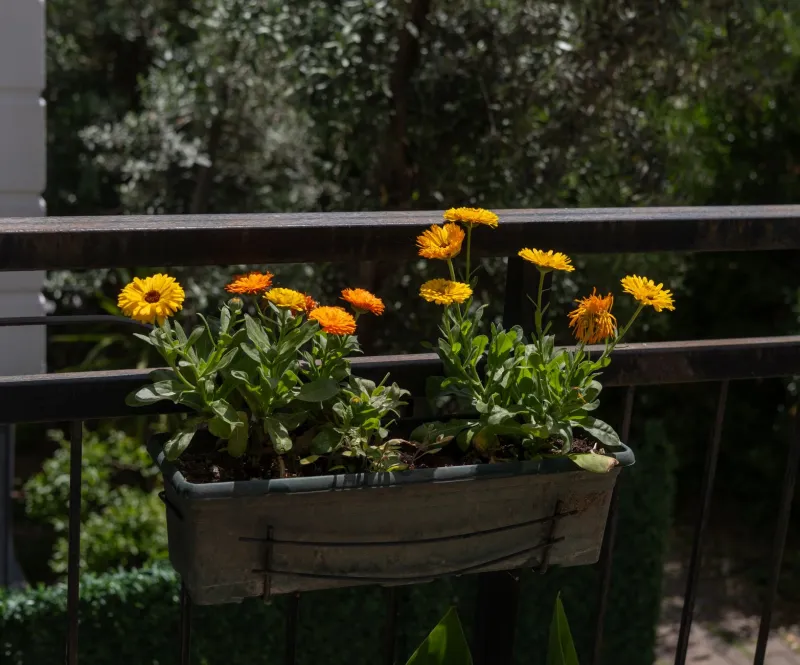
Urban container gardening has exploded in recent years, and for good reason. A sunny window or a small outdoor space is enough to grow herbs like basil, cilantro, and mint year-round. A 4x4 raised bed in a backyard can produce surprising amounts of kale, lettuce, and green beans through most of the growing season in most US climate zones.
First step: Pick one thing you cook with regularly — garlic, rosemary, hot peppers — and grow just that. Start small and let the satisfaction build.
2. Learn to Fix One Thing in Your Home
The average American spends over $500 a year on home repairs that a YouTube tutorial and a $30 tool could handle. That's not a knock on tradespeople — skilled labor is worth paying for. But there's a meaningful difference between calling a plumber for a burst pipe and calling one because you don't know how to replace a leaky faucet washer.
Diana Reyes, a nurse in Phoenix, learned basic plumbing after a slow drain turned into a $200 service call for what ended up being a clogged P-trap. "I watched the plumber do it in like eight minutes," she recalls. "I thought, I can do that. And now I can."
Basic home repair skills — fixing a running toilet, patching drywall, caulking a tub, resetting a tripped breaker — are genuinely learnable by non-experts. Sites like This Old House and YouTube channels like Roger Wakefield (plumbing) and Everyday Home Repairs make the learning curve much shorter than it used to be.
First step: Fix the next small thing that breaks before calling anyone. Look it up first. You might surprise yourself.
3. Build a Two-Week Food Supply
This one isn't about doomsday prep. It's about not being at the mercy of supply chain hiccups, bad weather, or a tight paycheck week.
The COVID-19 pandemic reminded a lot of Americans how quickly store shelves can empty. A modest pantry buffer — two weeks of shelf-stable staples like rice, beans, canned goods, oats, and pasta — costs relatively little to build gradually and provides a genuine cushion against disruption.
"I started buying one extra can of something every grocery run," says Tom Eklund, a contractor in rural Minnesota. "Six months later I had a solid two-month supply without really noticing the expense."
This kind of food security is quiet, practical independence. It means you're not scrambling when a storm's coming or when money gets tight.
First step: This week, buy two extra cans of something your household actually eats. Rotate stock so nothing expires. Repeat.
4. Generate Even a Little of Your Own Energy
Full solar installation is a significant investment, but energy independence has entry points that cost under $200.
A small portable solar generator or a solar charging bank can power your phone, a lamp, and a small fan during an outage. For renters or apartment dwellers, plug-in solar balcony panels are a growing category — small panels that clip to a railing and offset a meaningful chunk of daily electricity use.
For homeowners, a programmable thermostat like an Ecobee or Nest pays for itself within a year. Understanding your utility's time-of-use pricing and shifting energy-heavy tasks (laundry, dishwasher) to off-peak hours is free and can cut monthly bills noticeably.
"I put a 100-watt solar panel on my garage roof just to see what it could do," says James Whitfield, a retired firefighter in rural Georgia. "It powers my workshop lights and charges my tools. It's not much, but it's mine."
First step: Audit your home's biggest energy draws. Swap remaining incandescent bulbs for LEDs. Look into a programmable thermostat if you don't have one.
5. Learn Basic First Aid and Medical Self-Reliance
Healthcare in America is expensive and, in rural areas, sometimes far away. Knowing how to handle common medical situations — wound care, burns, sprains, allergic reactions, choking — is a form of independence that most people dramatically undervalue until they need it.
A solid first aid kit and a current CPR/first aid certification from the American Red Cross costs under $100 and a single Saturday. Adding a basic understanding of over-the-counter medications, when to use them, and when something actually needs professional attention is the kind of practical knowledge that used to be common and has quietly faded.
First step: Take a CPR/first aid class. The Red Cross offers them across the country and often online. Build a proper first aid kit — not just band-aids and aspirin.
6. Develop One Skill That Produces Something Tangible
Canning, bread baking, basic sewing, woodworking, knife sharpening, bike repair — pick one. The specific skill matters less than the act of learning to make or maintain something with your own hands.
Sarah Kowalski, an accountant in Chicago, started baking sourdough during lockdown like approximately half of America. But she kept going. "I make all our sandwich bread now. It takes maybe 20 minutes of active time. I know exactly what's in it, it costs almost nothing, and honestly it tastes better than anything at the store."
Tangible skills build confidence in a way that's hard to replicate. They also tend to connect people — local maker communities, neighborhood tool libraries, county extension offices running canning workshops. Self-sufficiency and community aren't opposites.
First step: Choose one skill that genuinely interests you and commit to one month of practice. Find a local class, a YouTube channel, or a community group.
7. Reduce One Dependency You've Never Questioned
This is the most personal one. For some people it's caffeine. For others it's subscriptions they don't use, cars they could occasionally replace with a bike, or convenience foods that could be made at home. The point isn't deprivation — it's awareness.
Spending one month tracking where your money, time, and energy go often reveals dependencies that weren't conscious choices so much as accumulated defaults. Some of them you'll decide are worth keeping. Others you'll realize you've just never examined.
"I realized I was spending $400 a month on food delivery," says Kevin Park, a software developer in Seattle. "Not because I couldn't cook — I actually like cooking. I just defaulted to the app. Cutting that in half gave me two things: money and the reminder that I can feed myself."
First step: Pick one area of your life and ask: if this service disappeared tomorrow, would I be okay? If the answer makes you uncomfortable, that's useful information.
None of these moves require a dramatic life overhaul. None of them demand that you give up the things you love about modern American life. What they do require is intention — the willingness to look at how you're living and ask where you could stand a little more solidly on your own two feet.
That's what independence actually looks like for most of us. Not a cabin in the woods. Just a little less helplessness, a little more capability, and the quiet satisfaction of knowing you can handle more than you thought.
Start somewhere. Start small. Start now.