Let Someone Else Decide: The Subtle Way Curated Culture Is Outsourcing Your Identity
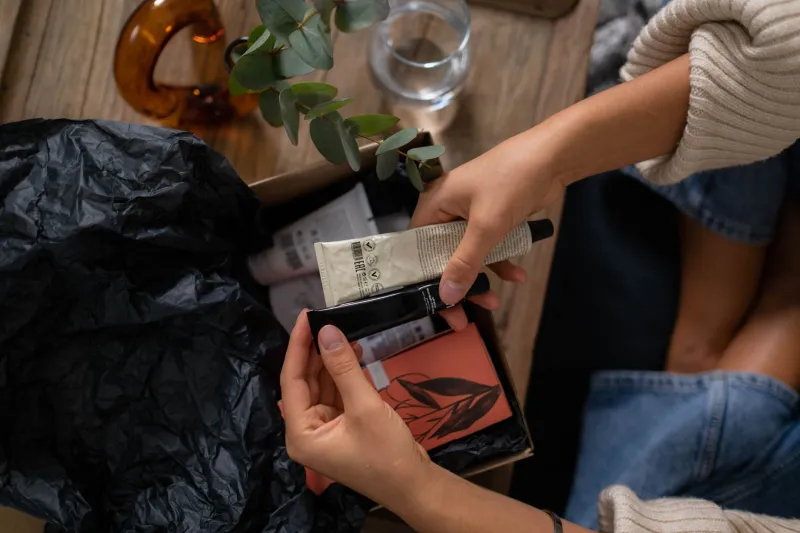
There's a certain relief that comes with letting someone else handle it. The box shows up at your door, packed with things someone decided you'd like, and you didn't have to think about it once. No research, no comparison shopping, no second-guessing. Just open and enjoy.
Except — is that actually freedom? Or does it just feel like it?
Because here's the thing: the whole pitch behind curated consumption is that it gives you your time back. But time isn't the only thing on the table. Every time you outsource a decision — even a small one about what snacks to try or what book to read next — you're also outsourcing a tiny piece of your own taste, your own judgment, your own self-knowledge. And those pieces add up.
The Convenience Bargain Nobody Explains Upfront
Subscription boxes took off for a reason. Life in the US is genuinely overwhelming. Between work, family, and the endless scroll of choices available online, the idea of having someone curate your lifestyle for you sounds like a gift. And the marketing is smart — these services don't position themselves as taking over your choices. They frame it as enhancing them. They're just doing the legwork.
But what does that legwork actually involve? Mostly, it means an algorithm or a team of buyers making assumptions about who you are based on a short quiz, your purchase history, or a demographic profile. They're not guessing randomly — they're pretty good at it, actually. And that's kind of the problem.
When a curation engine knows you well enough to reliably give you things you'll like, it also knows you well enough to keep you in a loop. You stop discovering things on your own. You stop wandering into a store and picking something up because it caught your eye. You stop surprising yourself. The edges of your taste get rounded off, and you never notice because everything arriving in the box is... fine. Good, even. Just never unexpected.
What Algorithms Actually Optimize For
Here's a reality check on how these systems work. Whether it's a beauty box, a meal kit, a book subscription, or a gear-of-the-month club, the underlying logic is the same: reduce churn. Keep you subscribed. That means sending you things you'll probably like, not things that might challenge you, expand you, or occasionally miss the mark in an interesting way.
Real discovery — the kind that shapes who you become — often starts with a bad recommendation from a friend, a random purchase you weren't sure about, or a weird impulse buy that turned into an obsession. Algorithms are designed to minimize that kind of friction. They optimize for satisfaction scores and renewal rates, not personal growth.
So when you hand your consumption over to a curated service, you're not just saving time. You're trading a certain kind of productive uncertainty for a smooth, frictionless experience that keeps you comfortable and subscribed. That's a great deal for the company. Whether it's a great deal for you is worth thinking about.
The Hidden Financial Angle
Let's also talk money, because the independence tax here is real. Most subscription boxes are priced to feel like a deal — and sometimes they are. But the consistent monthly charge has a way of disappearing into your budget. You stop noticing it. You stop asking whether you'd actually choose to spend that money if you were doing it deliberately.
That's not an accident. Subscription models are built around the psychology of inertia. Canceling feels like a bigger decision than subscribing ever did, so most people just... keep going. The average American household carries more active subscriptions than they can name off the top of their head. Some research puts that number well above ten. Add up the monthly fees and you're often looking at hundreds of dollars a year going toward things you didn't actively choose to keep paying for.
Deliberate spending — the kind where you actually decide what you want and go get it — tends to be more satisfying and more economical. Not always, but often enough that it's worth running the numbers on whatever's auto-charging your card every month.
Reclaiming the Act of Choosing
None of this means subscription boxes are evil or that curated services have no place in a self-directed life. Some of them are genuinely useful, especially for consumables you'd buy anyway or for exploring a new interest where you don't yet have the knowledge to shop independently. The problem isn't the box — it's the mindset.
The shift worth making is from passive recipient to active curator of your own life. That sounds bigger than it is. In practice, it just means asking a few questions before you sign up (or stay signed up):
-
Am I learning anything from this, or just consuming? If a service is introducing you to new things and expanding your sense of what's possible, it might be earning its spot. If it's just reliably delivering more of what you already know you like, it's a comfort loop.
-
Would I buy these specific items if I chose them myself? Open the last box you received and go through it item by item. Would any of this have made it into your cart on your own? If the answer is mostly no, the curation isn't serving you — it's serving someone else's inventory.
-
What am I not discovering because this box exists? This one's harder to answer because it's about absence. But it's worth sitting with. What stores aren't you wandering into? What rabbit holes aren't you going down? What version of your taste is going unexplored because the box handles it?
The Deeper Point About Independence
Self-sufficiency isn't just about growing your own food or generating your own power — though those things matter too. It's also about maintaining the capacity to make your own choices, develop your own preferences, and trust your own judgment. That capacity, like any other, atrophies when you stop using it.
Curated consumption, at its worst, is a slow-motion surrender of that capacity. It's comfortable, it's convenient, and it feels like the opposite of being trapped. But a cage built out of good taste and two-day shipping is still a cage.
The most independent version of you is the one who knows what they want, goes and finds it, and occasionally gets it wrong in interesting ways. That version doesn't need a box to tell them who they are.
They already know.