Dress Like Nobody's Watching: How to Build a Wardrobe That's Actually Yours
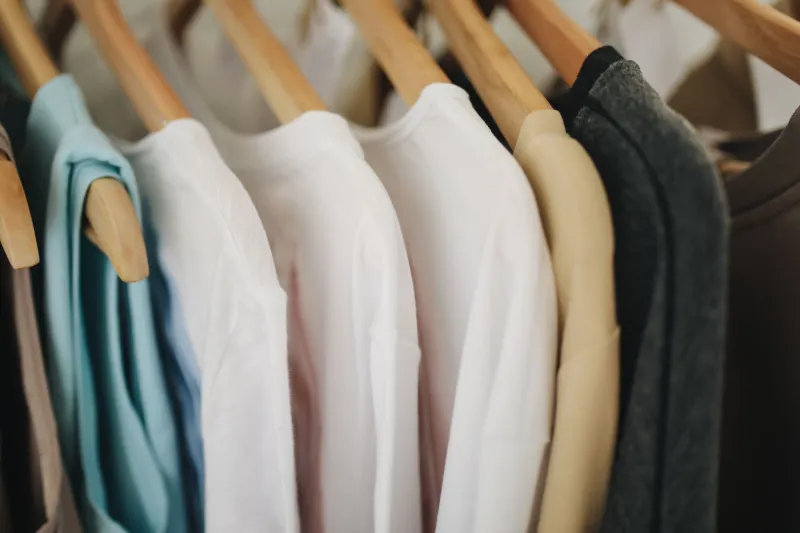
Somewhere between the third "trending now" reel and the fourth sponsored post pushing this season's must-have color palette, something quietly happened: a lot of us stopped dressing for ourselves. We started dressing for feeds, for trends, for the invisible approval of people we've never met.
Here at Freedom Boxes, we talk a lot about taking back control — over your data, your land, your food supply. But your wardrobe? That's personal territory worth reclaiming too. What you put on your body every morning is a daily, tangible expression of who you are. When that choice gets outsourced to fast fashion cycles and social media algorithms, you lose a little bit of something real.
Let's talk about how to get it back.
The Algorithm Has a Dress Code (And You Didn't Agree to It)
Fashion has always had gatekeepers — magazines, department stores, designers. But those old gatekeepers worked on a seasonal rhythm. Now? The cycle is relentless. Platforms like TikTok and Instagram churn out microtrends that peak and die in weeks. "Quiet luxury" barely had time to breathe before "loud budgeting" showed up. The algorithm is always hungry, and it wants you buying.
The data is pretty blunt about this. Americans throw away roughly 81 pounds of clothing per year, according to the EPA. A significant chunk of that is stuff bought impulsively — chasing a trend that expired before the return window did. Fast fashion companies love that cycle. Your bank account and your sense of self? Not so much.
Breaking from it isn't about becoming a hermit or wearing a Steve Jobs turtleneck every day. It's about making intentional choices that reflect you, not whatever's currently performing well on a For You page.
Start With Values, Not Aesthetics
Here's the counterintuitive starting point: don't open Pinterest. Don't scroll for "capsule wardrobe inspiration." Instead, ask yourself a few honest questions.
What do you actually do most days? What makes you feel confident versus what makes you feel like you're in costume? Are there textures, colors, or silhouettes that have consistently felt right to you over the years — regardless of whether they were trendy at the time?
Your answers matter more than any style guide. A rancher in Montana and a freelance designer in Austin might both be building intentional wardrobes, but they should look completely different. The goal isn't a particular aesthetic — it's your aesthetic, built around your actual life.
Write it down if that helps. Think of it less as a mood board and more like a personal style manifesto. What do you want your clothes to say about your values, your lifestyle, your priorities?
The Practical Art of Curating, Not Accumulating
Once you've got a sense of your values, the practical work begins. And it's less about shopping and more about editing.
Start with what you already own. Pull everything out. Be ruthless. If something hasn't been worn in a year and you can't name a specific upcoming occasion where you'd actually reach for it, it goes. Donate, sell, or pass it on — but get it out of your decision-making space.
Identify your actual gaps. After the purge, you'll see clearly what you're missing. Maybe you've got five blazers and zero comfortable everyday pants. Maybe your weekend clothes are great but you've been suffering through workdays in stuff that doesn't fit right. Fill those gaps deliberately, one piece at a time.
Buy for longevity, not novelty. This is where the independence mindset really pays off. A well-made pair of boots from a domestic brand like Thorogood or a classic denim jacket from a company that's been making them for decades will outlast five rounds of trend-chasing purchases. Look for natural materials, solid construction, and silhouettes that have existed for more than two years without becoming a punchline.
Set a cooling-off rule. Before buying anything, wait 72 hours. If you still want it — and can name exactly how it fits into your existing wardrobe — move forward. Most impulse purchases don't survive this test.
Unsubscribe From the Trend Machine
This one requires a little digital discipline. Unfollow accounts that make you feel like you're always behind. Mute sponsored fashion content. Turn off push notifications from retail apps. You don't have to quit social media entirely — but you can stop letting it curate your self-image.
Instead, seek out makers, tailors, thrift stores, and vintage shops. These sources offer clothes with history and character, and the discovery process is driven by your own eye rather than a recommendation engine. Estate sales, local consignment shops, and small American manufacturers are all worth exploring. You might find pieces that nobody else has — which, frankly, is the whole point.
The Freedom Dividend
Here's what nobody in the fast fashion industry wants you to realize: a wardrobe built on your terms actually saves you money, time, and mental energy over the long run. When you stop chasing trends, you stop spending on things you'll abandon in six months. When every item in your closet fits your life and your values, getting dressed stops being a daily low-grade stress and starts being a quick, confident decision.
There's also something quietly powerful about walking into a room dressed in a way that's entirely your own — not curated by an algorithm, not borrowed from a trend cycle, not performing for an audience. Just you, in clothes that make sense for your life.
That's the kind of freedom that doesn't require a subscription. It just requires a little intention.