Fences You Never Agreed To: The Unwritten Rules That Run Your Neighborhood
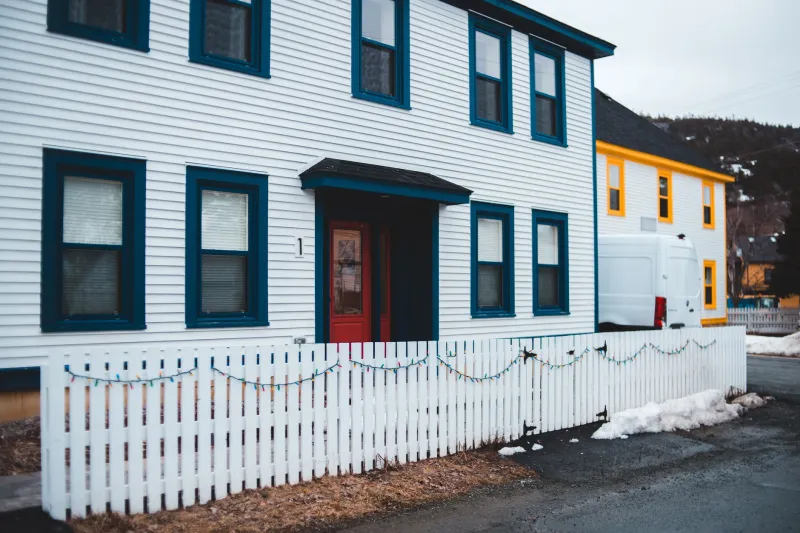
You picked the house. You signed the paperwork. You showed up with a moving truck and a vision. But somewhere between the welcome casserole from next door and the first HOA newsletter in your mailbox, it started to dawn on you: this place came with a whole set of rules you never actually agreed to.
Nobody hands you a contract when you move into a tight-knit neighborhood or a small town. But the contract exists. It's written in the raised eyebrows when your grass gets a little long, in the passive-aggressive comments about your new fence color, in the way certain people stop waving if you park on the wrong side of the street for a week. Community is real and valuable — but so is the invisible fence it builds around you.
The HOA Playbook (And Why It's Bigger Than You Think)
Let's start with the obvious one. Homeowners associations are the most formalized version of neighborhood control in America, and they're everywhere — nearly 74 million Americans live in HOA-governed communities, according to the Foundation for Community Association Research. That's a lot of people getting letters about their mailbox color.
HOAs aren't inherently evil. They can maintain property values, keep shared spaces functional, and give neighborhoods a coherent identity. But they also represent a transfer of authority — from you, the homeowner, to a governing body that may or may not share your values, your aesthetic, or your definition of what a good life looks like.
The fine print matters here. Some HOAs restrict everything from the type of vehicle you can park in your driveway to whether you're allowed to hang a clothesline in your backyard. Others dictate the exact shade of beige you can paint your shutters. When you buy into one of these communities, you're not just buying a house — you're buying membership in an organization with its own agenda. That's worth knowing before you sign.
Small Towns and the Social Ledger
HOA bylaws are at least written down. Harder to navigate is the informal social accounting that happens in smaller, tighter communities — the kind where everyone knows your name, your car, and your approximate net worth.
Small-town life has real appeal. There's genuine community, lower cost of living in many cases, and a slower pace that a lot of people actively want. But there's also a social ledger that runs whether you participate or not. People notice when you don't show up to the town festival. They talk when you start a business that competes with someone local. They form opinions about who comes and goes from your house.
This isn't malicious, usually. It's just what happens when a community is small enough that everyone's choices are visible to everyone else. The problem is when that visibility becomes pressure — when the fear of what people will think starts steering your actual decisions. That's when community belonging quietly becomes community control.
The Trade-Off Nobody Names Out Loud
Here's the thing about community expectations: they're not all bad. Some of them exist because living near other people genuinely requires compromise. You don't blast music at 2 a.m. not because the HOA says so, but because it's a reasonable way to treat people who share your space. That's not an invisible fence — that's just being a decent neighbor.
The line gets blurry, though, when expectations start regulating choices that don't actually affect anyone else. What you grow in your garden. Whether you rent out your spare room. Who you invite over and how often. What your lifestyle looks like from the outside. These are areas where community pressure often overreaches into genuinely personal territory, and where a lot of people find themselves making choices driven more by social management than by what they actually want.
The trade-off is real: belonging costs something. The question is whether what you're paying is a fair toll for the benefits of community, or whether you're hemorrhaging autonomy for a sense of acceptance that could be built differently.
How to Hold Your Ground Without Burning It Down
So what do you actually do about it? A few practical angles worth considering:
Know exactly what you agreed to. If you're in an HOA, read the CC&Rs — all of them. Know your rights as well as your restrictions. Many homeowners discover that HOAs have overstepped their actual authority, and that some rules are selectively enforced. You can't push back on a rule you don't know exists.
Get involved before you need to. The people who shape HOA rules are the ones who show up to the meetings. If you want more latitude in your community, the most effective path is usually participation, not resistance. Boards change. Cultures shift. Your voice matters more inside the room than outside it.
Separate the social from the structural. There's a difference between your HOA telling you that you can't paint your house purple and your neighbor giving you a look when your holiday decorations are still up in February. One has teeth; the other only has power if you give it some. Getting clear on which pressures are enforceable and which are just vibes helps you decide what's worth engaging with.
Build your own reference group. A lot of social pressure in neighborhoods operates by making you feel like everyone agrees on the norm. They don't. Find the neighbors who share your values, and invest in those relationships. Community doesn't have to mean conforming to the loudest voices on the block.
Price the exit honestly. Sometimes the right move is to find a different kind of community — one that actually fits the life you want to live. Rural land with no HOA. A city neighborhood with more anonymity. A co-op community built around shared values that actually match yours. Moving is expensive and disruptive, but so is spending years quietly shrinking yourself to fit a neighborhood that was never a real match.
The Box You Actually Want to Live In
Freedom isn't about living in isolation. Most people genuinely want neighbors, community, a sense of place. The goal isn't to opt out of belonging — it's to make sure the belonging you're building is actually yours, not just the version of it that was handed to you when you signed the deed.
Your home is supposed to be the place where you get to be most fully yourself. If the neighborhood around it has become a second job in social management, it's worth asking what you're actually getting for the effort — and whether there's a better deal out there.