Too Many Options, Not Enough Freedom: How to Cut Through the Noise and Actually Choose

Picture this: you walk into a grocery store to grab some jam. Easy, right? Except now there are 57 varieties on the shelf — organic, no-sugar-added, locally sourced, imported, fruit-forward, reduced-calorie. You spend ten minutes staring at jars. You eventually grab something. And somehow, you feel worse than when you walked in.
This isn't a jam problem. It's a freedom problem.
We've been sold the idea that more options equal more freedom. And on paper, that logic holds up. But in practice, something weird happens when the number of choices balloons beyond a certain point: our sense of agency doesn't expand — it collapses. Psychologists call it choice overload. The rest of us just call it Tuesday.
The Research Nobody Talks About at the Freedom Rallies
Back in 2000, psychologists Sheena Iyengar and Mark Lepper ran a now-famous study at a California grocery store. They set up two jam-tasting displays — one with 24 varieties, one with just 6. The bigger display attracted more lookers. But the smaller one drove ten times more actual purchases.
More options. Fewer decisions made. Less satisfaction overall.
The follow-up research got even more interesting. When people were forced to choose from larger option sets, they reported lower confidence in their choices, more regret after the fact, and less overall happiness with the outcome — even when the thing they picked was objectively good. The sheer volume of alternatives haunted them.
Barry Schwartz, who literally wrote the book on this ("The Paradox of Choice"), argues that the explosion of consumer options in modern American life hasn't made us freer — it's made us more anxious, more indecisive, and oddly less satisfied with our lives. That's a tough pill for a culture that treats optionality like a virtue.
Decision Fatigue Is a Real Tax on Your Independence
Here's where it gets personal. Every decision you make — no matter how small — draws from the same cognitive account. Buy the blue one or the gray one? Reply to that email now or later? Meal prep or order out? Each micro-choice chips away at your mental reserves.
By the time you get to the decisions that actually matter — whether to leave a job, start a side project, set a boundary with a family member — you're running on fumes. Your brain defaults to the path of least resistance. You procrastinate. You defer. You let someone else decide.
And just like that, your freedom gets quietly outsourced.
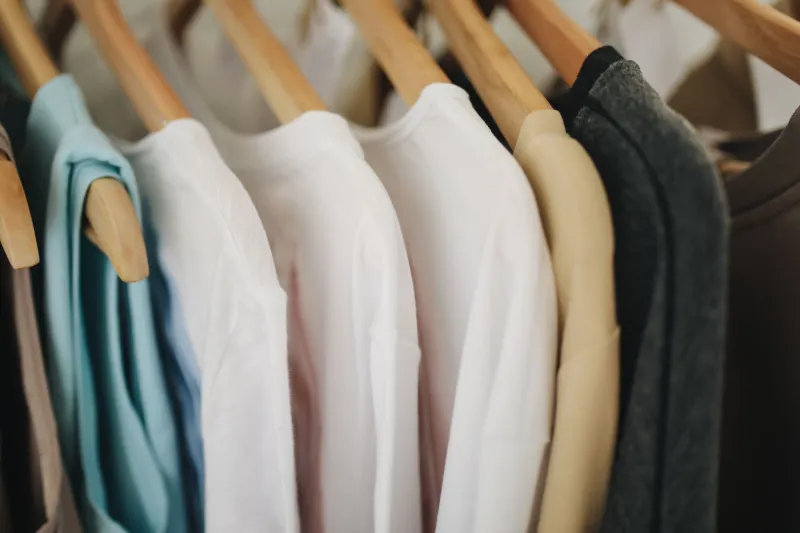
This is why high-performers from Steve Jobs to Barack Obama have talked openly about simplifying their wardrobes and routines. It wasn't about aesthetics. It was about preserving cognitive fuel for the choices that actually defined their lives. Love them or hate them, they understood something most people don't: not all decisions deserve equal real estate in your head.
Maximizers vs. Satisficers — Which One Are You?
Schwartz's research identified two types of decision-makers. Maximizers need to find the absolute best option. They'll research every review, compare every spec, and still wonder if they missed something better. Satisficers identify a set of criteria, find the first option that meets those criteria, and move on.
Satisficers, it turns out, are happier. They make decisions faster, feel less regret, and — critically — have more mental energy left over for things that actually matter to them.
This isn't about being lazy or settling. It's about being strategic with your attention. A satisficer doesn't just blindly grab the first thing they see. They know what they need, they recognize it when they find it, and they don't let perfect be the enemy of done.
For anyone serious about living on their own terms, this distinction matters a lot. The maximizer mindset, while it feels thorough and responsible, is often just a sophisticated form of self-sabotage.
How to Build Your Own Decision Filter
The goal isn't to eliminate choices — it's to get intentional about which ones you actually engage with. Here's a simple framework to start with:
1. Sort decisions by category, not urgency. Divide your regular decisions into two buckets: identity decisions (things that reflect your values and shape your life trajectory) and logistical decisions (things that just need to get done). Identity decisions deserve your full attention. Logistical ones deserve systems.
2. Automate or default the logistical stuff. Meal rotations, bill payments, morning routines, even wardrobe basics — when you establish defaults for low-stakes decisions, you stop bleeding mental energy on them. This isn't about being robotic. It's about being free where it counts.
3. Shrink your option set deliberately. When you're facing a decision, resist the urge to research every possible option. Set a limit — say, three viable choices — and work from there. You're not missing out. You're cutting through the noise.
4. Know your non-negotiables. Before you even start evaluating options, get clear on the two or three criteria that genuinely matter to you. Everything else is filler. This is how satisficers operate, and it's a skill you can build.
5. Put a timer on low-stakes decisions. Give yourself 60 seconds for small stuff. If you can't decide which podcast to start or what to order for lunch in under a minute, just pick one. The cost of a mediocre lunch is basically zero. The cost of drained decision-making capacity is much higher.
Freedom Is a Finite Resource — Spend It Well
The most independent people aren't the ones with the most options on the table. They're the ones who've gotten really good at knowing which options are worth their time and which ones are just clutter.
Real autonomy isn't about having every door open simultaneously. It's about knowing which doors lead somewhere worth going — and walking through them without second-guessing yourself for the next three weeks.
At Freedom Boxes, we think a lot about what it actually means to live on your own terms. And one thing keeps coming up: the people who feel most free aren't drowning in choices. They've built structures, habits, and filters that protect their attention and reserve their energy for the stuff that actually matters.
Trimming the noise isn't giving up control. It's how you take it back.